
SIMPLE THINGS HOMEOWNERS DO THAT ACCIDENTALLY DAMAGE APPLIANCES
Everyday Use Is Usually The Real Cause
In most homes, appliances are part of the daily routine. They are used without much thought because they are always there. Laundry is done between other tasks. Refrigerators are opened and closed constantly. Nothing unusual happens on these days. That is why damage is not noticed early. Appliances do not fail all at once. They wear down slowly while being used normally. Over time, parts lose efficiency. Stress builds up inside the machine. By the time something stops working, it feels unexpected, even though the cause developed over months or years.
Adding Just A Little Too Much To Each Load
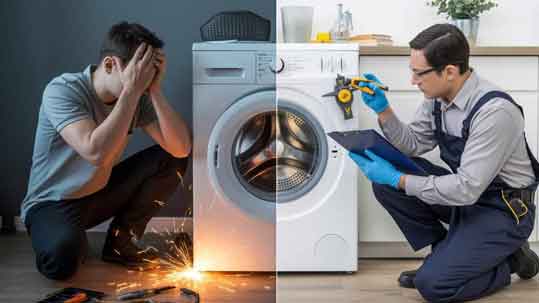
Overloading is one of the most common habits. A washing machine looks like it can handle more clothes, so a few extra items are added. The door closes. The cycle starts. Everything seems normal. Inside the machine, weight increases. The drum carries more pressure. Clothes do not move freely. The motor works harder than designed. Drying takes longer. Heat stays trapped inside the machine. Heating elements and internal parts experience extra stress. Nothing breaks immediately. The damage builds slowly with each overloaded cycle.
A professional checkup and occasional duct cleaning stop this cycle. Sealing leaks also prevents extra debris from entering the system. It isn’t something homeowners do every season, but when allergies seem worse than usual, ducts are often part of the reason.
Skipping Basic Cleaning Tasks
Some parts of appliances need regular cleaning. Dryer lint traps fill up quickly. Dishwasher filters collect food particles. Refrigerator coils gather dust over time. When these areas are not cleaned, airflow and water flow are reduced. The appliance has to work harder to perform the same task. Harder work leads to faster wear. Motors run longer. This extra strain shortens the life of the appliance. Skipping cleaning does not cause immediate failure. It causes gradual decline.
Cleaning Too Harshly
In other cases, appliances are cleaned too aggressively. Strong chemical cleaners are used. Rough scrubbers scratch surfaces. Protective coatings wear down. Rubber seals weaken. Sensors become exposed or damaged. The appliance may look clean on the outside, but internal protection is reduced.
Slamming doors and lids
Appliance doors and lids are used many times every day. Refrigerator doors are pushed shut quickly. Washing machine lids are dropped instead of lowered. Dishwasher doors are leaned on during loading. This repeated force affects hinges, seals, and latches. Parts loosen slowly. Alignment shifts over time. Eventually, doors stop closing properly. Refrigerators lose cold air. Dishwashers struggle to start cycles. Washing machines may not lock correctly. These problems do not appear suddenly. They develop from repeated stress.
Blocking airflow around appliances
Appliances need space to release heat. Refrigerators rely on airflow around coils. Dryers need clear ventilation. When appliances are pushed tightly against walls or surrounded by storage items, airflow is restricted. Heat builds up inside the machine. Heat damages motors and electronic components. Internal parts stay hot longer than intended. Over time, this shortens appliance lifespan. This often happens unintentionally during cleaning or rearranging rooms.
Running appliances nonstop on busy days
On busy days, appliances run continuously. Dishwashers are restarted shortly after finishing. Appliances are designed for regular use, but constant operation prevents parts from cooling properly. Heat builds up inside the machine. Without cooling periods, wear increases. Components age faster. Failures become more likely. Short breaks between cycles help reduce stress on internal parts.
